
 TOP STORY
Biocomputer can explore multiple solutions at once as bacteria multiply in tiny, interconnected channels
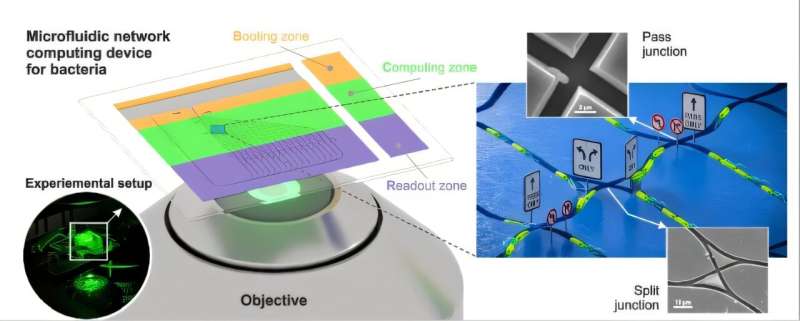
A McGill-led research team has developed a bacteria-based biocomputer that can solve large, complex problems using a small fraction of the memory and resources required by standard ("solid-state") computers. Possible applications include encryption, molecular biology and artificial intelligence, the researchers said.
 TOP STORY
Vulnerable users fear losing 'AI companions' to software updates
People forming emotional bonds with AI companions fear losing a valued relationship through software updates or a company pulling the plug, according to research from the University of Surrey.
 TOP STORY
Researcher proposes techniques for communicators to recognize, avoid inherent biases in AI
People worldwide are learning to use and interact with artificial intelligence in their lives and work. This emerging technology has deeply affected several domains, including mass communications.
 TOP STORY
New VR method turns touch information into visual cues for better collaboration
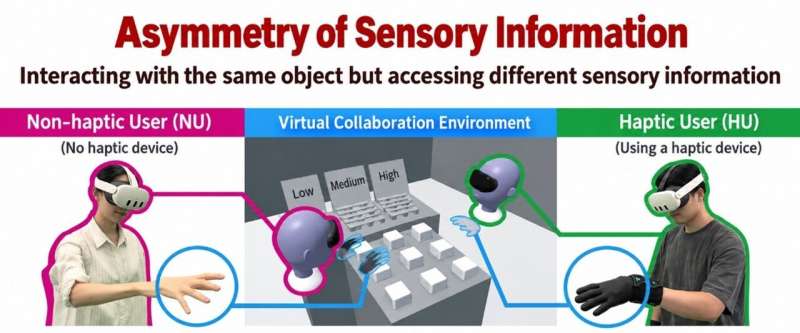
What if you could see how rough an object feels, even without touching it? A KAIST research team has developed a technique that makes the roughness of virtual objects visible through changes in the outline of a virtual hand. By allowing users without haptic devices to perceive roughness information visually, the technique enables more effective collaboration in virtual reality (VR) between people using different equipment.
 TOP STORY
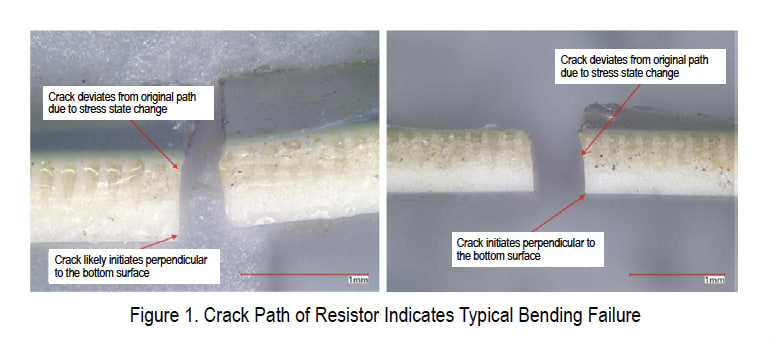
TB 26-10 Printed Circuit Board Assembly Chip Resistor Body Cracking
For more information, contact Joel W. Sills, Langley Research Center, joel.w.sills@nasa.gov. Download PDF here Chip resistors are widely used in NASA projects, yet cases of alumina substrate cracking during environmental testing are rare. Two instances of thick-film chip resistor cracking were observed during thermal cycling after vibration, with fractures occurring across the short axis due […]


















Loading comments…