About Us Advertise Careers Contact Us Privacy Policy Community Guidelines
Locating… 13°C English WhatsApp Alerts Email Alerts
BREAKING NEWS
Lights and shadows of Sri Lanka’s new child protection code - AsiaNews Pakistan fast bowling coach Shaun Tait says seamer-friendly home wickets are crucial for success - Daily Jefferson County Union The 22nd Amendment to the Constitution of Sri Lanka: The Increase in the Retirement Age of Judges, Judicial Independence, and Constitutional Culture - ConstitutionNet Sri Lanka gets FBI help to crack down on online scams - New Age BD From wild elephants to mountain trains: discovering Sri Lanka as a family - The Independent Pakistan, Sri Lanka primed for more experimentation in Rawalpindi - Cricinfo As butterflies sweep Sri Lanka, global study finds expanding ranges linked to climate change - news - Mongabay UK MOD Defends Satcom Resilience Amid SpaceX Starshield Concerns Sinopec Demands Derail Oil Refinery Plans at Sri Lanka’s Hambantota - The Diplomat – Asia-Pacific Current Affairs Magazine Contractor to Civil Servant: NASA Welcomes Jim Mirandy
TECH XPLORE

Existing seismic networks can record sonic booms from supersonic flights

Lanka Hit News • Nov 16, 2026 · 57m ago • 1 min read
Share:

Faster-than-sound commercial flight could be on its way back after more than half a century—if the industry solves one rather loud problem: regulating sonic booms. A team of Penn State researchers may have found that a big part of the answer already exists in seismic monitoring networks on the ground.

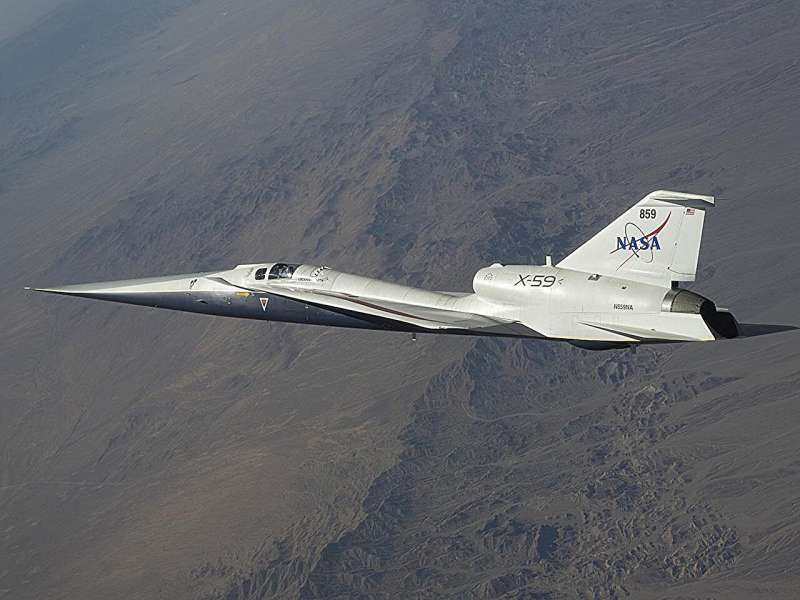
Faster-than-sound commercial flight could be on its way back after more than half a century—if the industry solves one rather loud problem: regulating sonic booms.

A team of Penn State researchers may have found that a big part of the answer already exists in seismic monitoring networks on the ground.

Join the Conversation