
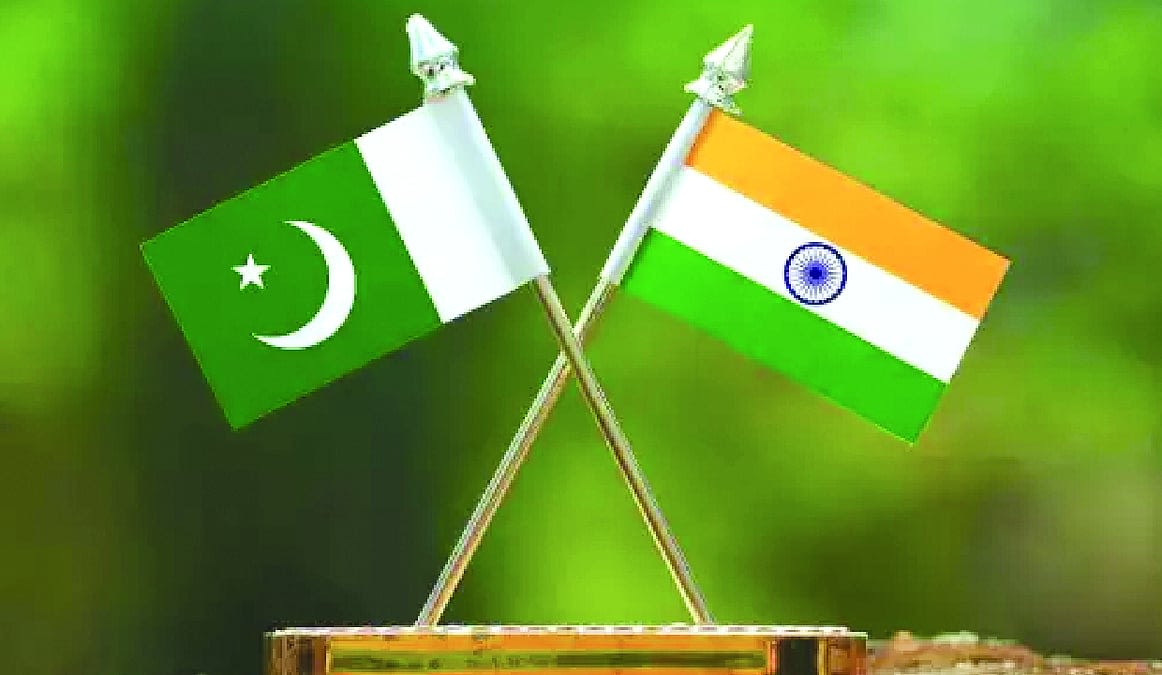
Pakistan has incurred an estimated $40 billion in economic losses since bilateral trade with India was halted in 2019, following the Pulwama terror attack and the subsequent deterioration in relations, according to the Pak-India Business Council.
Council chairman Noor Muhammad Qasuri has urged both countries to reconsider the suspension of commercial ties, arguing that renewed trade could reduce business costs, encourage investment and strengthen regional economic cooperation.
Pakistani businesses have been compelled to source essential raw materials and other products from more distant countries since direct trade with India stopped. This has increased freight charges, transportation expenses, and delivery times, Council chairman Noor Muhammad Qasuri said.
He highlighted the pharmaceutical sector as one of the industries facing difficulties due to the trade restrictions. Pakistan’s medicine manufacturers previously relied on India for certain raw materials, and resuming imports could potentially generate annual savings of $2 billion to $3 billion, he said.
The textile industry has also faced a significant financial burden, particularly amid declining domestic cotton production. Qasuri estimated that Pakistani textile manufacturers had incurred an additional expenditure of around $5 billion after turning to suppliers in Brazil, Egypt, China and the United States to meet their cotton requirements.
He further pointed out that Pakistan continues to procure several essential commodities, including sugar, fertilisers, cement, petroleum products, iron, steel, vegetables and heavy machinery, from distant international markets despite India’s capacity to supply many of these goods.
Qasuri argued that restoring commercial relations could make imports more economical and improve supply-chain efficiency. Given the geographical proximity of Indian oil refineries, access to petroleum products from India could also reduce transportation expenses and ensure faster deliveries.
Beyond trade, he expressed concern about the shrinking area under cotton cultivation in Pakistan. Farmers in traditional cotton-producing regions have increasingly shifted towards sugarcane cultivation, creating additional challenges for the country’s textile sector. He called for stronger agricultural policies to encourage cotton production and support the industry.
The business council chairman also stressed that renewed economic engagement could benefit both countries by creating opportunities in investment, tourism and other commercial activities.
He suggested that Pakistan could attract Indian visitors interested in religious destinations, historical landmarks and ancestral villages, potentially boosting its tourism industry.
Highlighting the importance of regional partnerships, Qasuri cited India’s financial assistance to Sri Lanka during its economic crisis as an example of how neighbouring countries can support one another during challenging economic circumstances.
He maintained that political disagreements should not prevent the two countries from exploring mutually beneficial economic opportunities. According to him, unresolved disputes could continue to be addressed through diplomatic dialogue while economic engagement is gradually restored.
Qasuri also pointed to the historical, cultural and family connections shared by people in Pakistan and India, saying these common ties could provide a basis for improving bilateral relations.
He reiterated that reopening trade channels could ease financial pressure on Pakistani businesses while creating wider opportunities for economic growth and regional cooperation.
Copyright © 2026 The Pioneer. All Rights Reserved.




Loading comments…