
Every year, Asia’s 50 Best Bars hands out its Art of Hospitality Award to the bar that makes guests feel most welcome and eager to return. In the past few years, the title has been conferred upon Barc in Kathmandu, Virtù in Tokyo, and Sago House in Singapore. In 2026, the honour went to Smoke & Bitters, the beachside bar and restaurant tucked into a coconut grove in Hiriketiya, Sri Lanka. We spoke to co-founders Don Ranasinghe and Lalla Perera about building a destination bar far from the big city, navigating crises, and why South Asia hospitality goes a long way in the service industry. What, according to you, is the secret to great hospitality? There’s no real secret or formula; it’s just about making people feel completely at ease. At its core, hospitality is just an intuitive human connection. If a guest feels seen, safe, and genuinely welcome from the moment they step off the sand, you’ve done your job. Everything else is just extra. Do you feel that a restaurant or a bar outside of a city, in a destination such as yours, brings greater expectations? It brings different expectations, for sure. In a major city, going out is often fast-paced, transactional, or centred around a hyper-conceptual space. But when someone makes the long journey all the way down to a beachfront coconut grove in Hiriketiya, they’ve invested time and effort just to get here. Because of that journey, they are looking for a real connection and a genuine sense of place. The expectation isn't for a sterile, polished city experience—it's for a real one. They want to feel the true texture of the island, and our job is to honour that journey and deliver a great experience without pretension. What does a typical team briefing at Smoke & Bitters include? It’s a vital daily ritual for us. Every evening before service, the entire team gathers together in the garden. Our managers lead the charge rather than the owners, and we use that time to get completely aligned for the night ahead. We talk through the day's reservations, who our guests are, and if we have regulars coming in. We flag any potential challenges we might face, and run through the day's fresh food and drink offerings. Everyone pays close attention, and it just allows us to get on the same page before the night begins. Tell us about the one time things went wrong. How did you manage a service recovery? For us, 'things going wrong' went way beyond a misplaced order—our biggest service recovery was simply learning how to survive. We opened in early 2020, right before the pandemic, and by 2022, we were navigating a massive national economic crisis with daily power cuts, no fuel, and no gas. When the grid went down, service recovery meant doubling down on our ecosystem. We cooked over a local wood fire. We sourced entirely from local farmers and fishermen because supply chains collapsed. Our local community and the tourists who were here kept us alive, and we made sure we kept them fed and supported in return. Even during the heavy monsoonal off-seasons when most venues on the south coast close down or scale back, we stay fully open and pay our team their normal salaries. For us, service recovery isn't just about fixing a wrong order at a table; it's about staying resilient and keeping your promises to your team and your community when everything around you gets difficult. Are there any nuances to service and hospitality that are unique to South Asia? There is a deep, unforced generosity that is completely native to South Asia. In our culture, if someone walks into your home, the very first instinct is to feed them, give them a drink, and make sure they are comfortable. It’s a very soft, gentle, and human warmth that isn’t transactional at all. It's not just a structured profession for us; it's a natural extension of who we are. Have you seen guest expectations and behaviour evolve over the years? Of course. Guests travel more now, they see more, and they naturally want better, different, and more evolved experiences. But while the market changes, we’ve found that staying true to what we know works best. At the end of the day, people are simple: they want great drinks, delicious food, a beautiful sunset, and a fun time. If you keep those core elements honest, you don't need to chase every passing trend. If there's one thing you wish more guests knew about service and hospitality, what would it be? That a smile works both ways. Genuine hospitality is a two-way street. When a guest steps into a space with an open mind, kindness, and a bit of that relaxed island patience, it completely changes the vibe. It allows our team to give their absolute best, unforced energy in return. We are all just people sharing a space under the coconut trees for an evening, and a little mutual warmth goes a very long way.
SRI LANKA NEWS
The secret sauce behind Asia’s most welcoming bar - Condé Nast Traveller India

You May Also Like
View All ›
Glenn Maxwell announces retirement from international cricket

"My job is to play cricket and I will play": Sarfaraz Khan unfazed by India Test snub

Vision Action Fund Awards 24 Governments $10M+ to Transform Basic Eye Care and Expand Reading Glasses Access
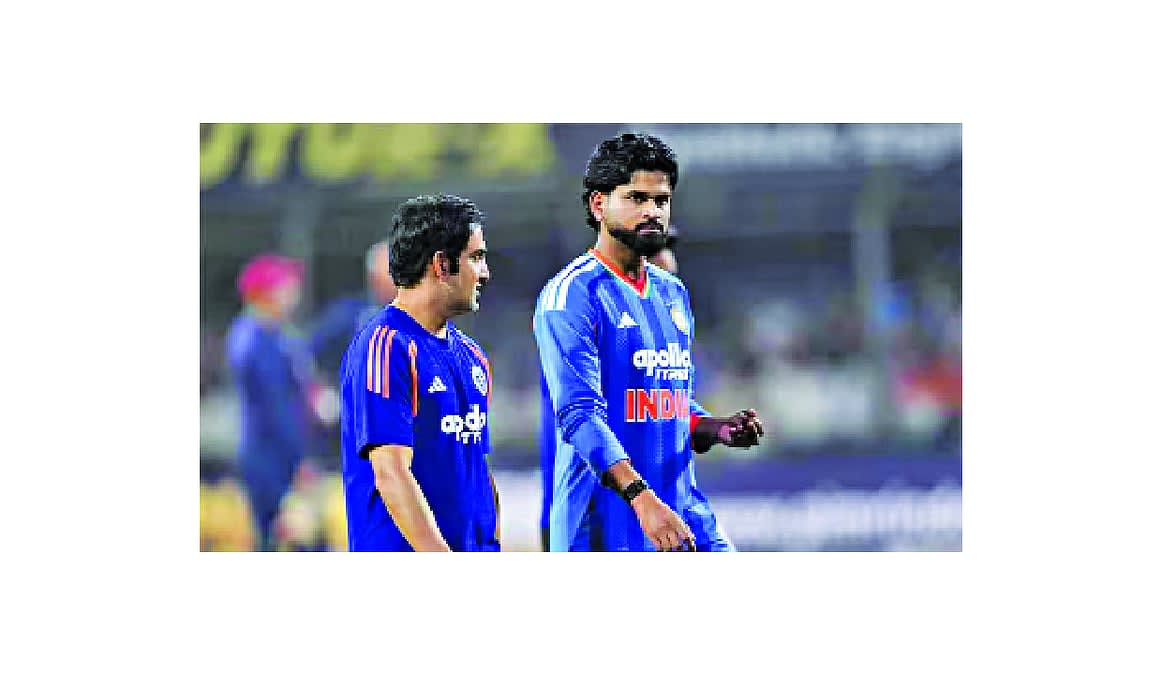
You guys have set tone for rest of tour: Gambhir to T20 team
Loading comments…