
Kolkata: Masked dance forms from India, Sri Lanka and South Korea that mirror stories of common people are being showcased at a two-day festival in Kolkata organised by Rural Crafts and Cultural Hubs Project — an initiative of the department of MSME&T and Unesco. Founded by the Tukka Wadu family in Maha Ambalangoda, the Tukka Wadu Kolam dance form is known for its detailed wooden masks — including giant wearable masks over 4.5 ft tall. They tell stories of common people, satires on the royalty and tales of Jataka.For Tukka Wadu Harishchandra, custodian of the dance form’s lineage and sixth-generation descendant of the family, Thursday’s performance completed a full cycle.Harishchandra had grown up hearing stories from his father about Rabindranath Tagore visiting Sri Lanka in 1934. Tagore went to Colombo first and staged the dance drama ‘Shapmochon’. “He came to our village in Ambalangoda and the dance was presented before him. My life came full circle today when we performed at an auditorium named after him,” Harishchandra said.The custodian of the 300-year-old dance form thinks it is important to preserve these formats. “These art forms are handed down through generations. I have seen Gamira and Chhau performances today and I can instantly relate with them. Gamira does not only project power, but also embodies drama and dance. These art forms need to be preserved and such cultural exchanges can help preserve them,” he said.Lee Jung Ho (70), who led dancers of Korea’s Haeseo Talchum style, represented an art form that is more than 1,000 years old. Haseo performers combine dance, music, satire and are critical of social hierarchies. “While the dance form originated in the Haseo region (now in North Korea), it is preserved and performed in South Korea as part of Korea’s intangible cultural heritage. We have preserved the ancient dance forms. We tell stories of common men and satires on the royalty. At times there are satires on monks too,” he said.He, however, finds the art form losing popularity among the new generation. “This requires a lot of discipline. The country’s economy has grown and forms of protests have changed. But these art forms need to be preserved,” he said.The programme will continue on Friday, with other art forms, said Gunjan Karmakar of Rural Crafts and Cultural Hubs Project.You Can Also Check: Gold Rate in Kolkata | Silver Rate in Kolkata | Bank Holidays in Kolkata | Public Holidays in Kolkata | Kolkata AQI | Weather in Kolkata | Petrol Price in Kolkata | Diesel Price in Kolkata | CNG Price in Kolkata | LPG Price in KolkataStay updated with the latest Kolkata news. Download the TOI App.
SRI LANKA NEWS
Unesco fest celebrates masked dances from India, Korea, Lanka
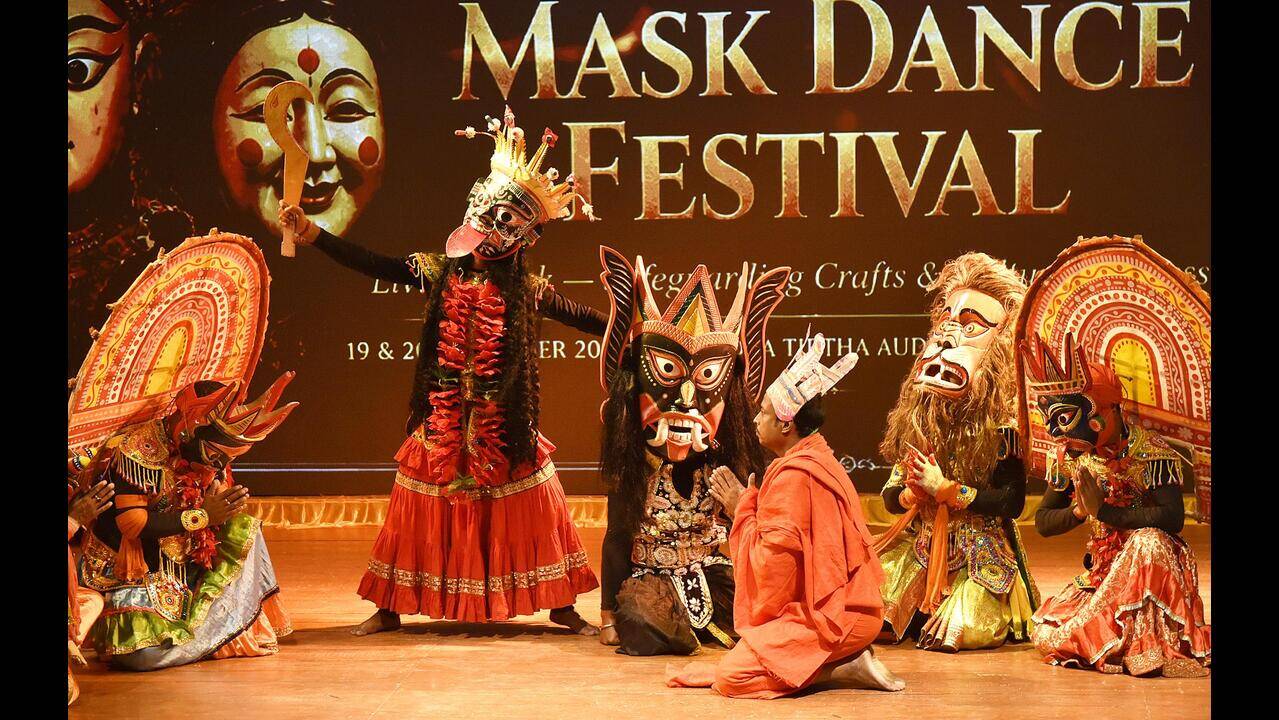
UNESCO-backed Kolkata festival showcases ancient masked dances from India, Sri Lanka and South Korea, highlighting folk stories, satire and heritage preservation.
You May Also Like
View All ›
Sri Lankan posts misrepresent old video as ministers criticising new anti-terror law - Yahoo

Tens of thousands of public sector workers in Sri Lanka protest austerity budget - World Socialist Web Site

Geopolitical Factors Shaping Sri Lanka’s Critical Minerals Prospects – Analysis - Eurasia Review

Launch Preview: Russian, Chinese, and SpaceX rockets to launch space station missions
Loading comments…