
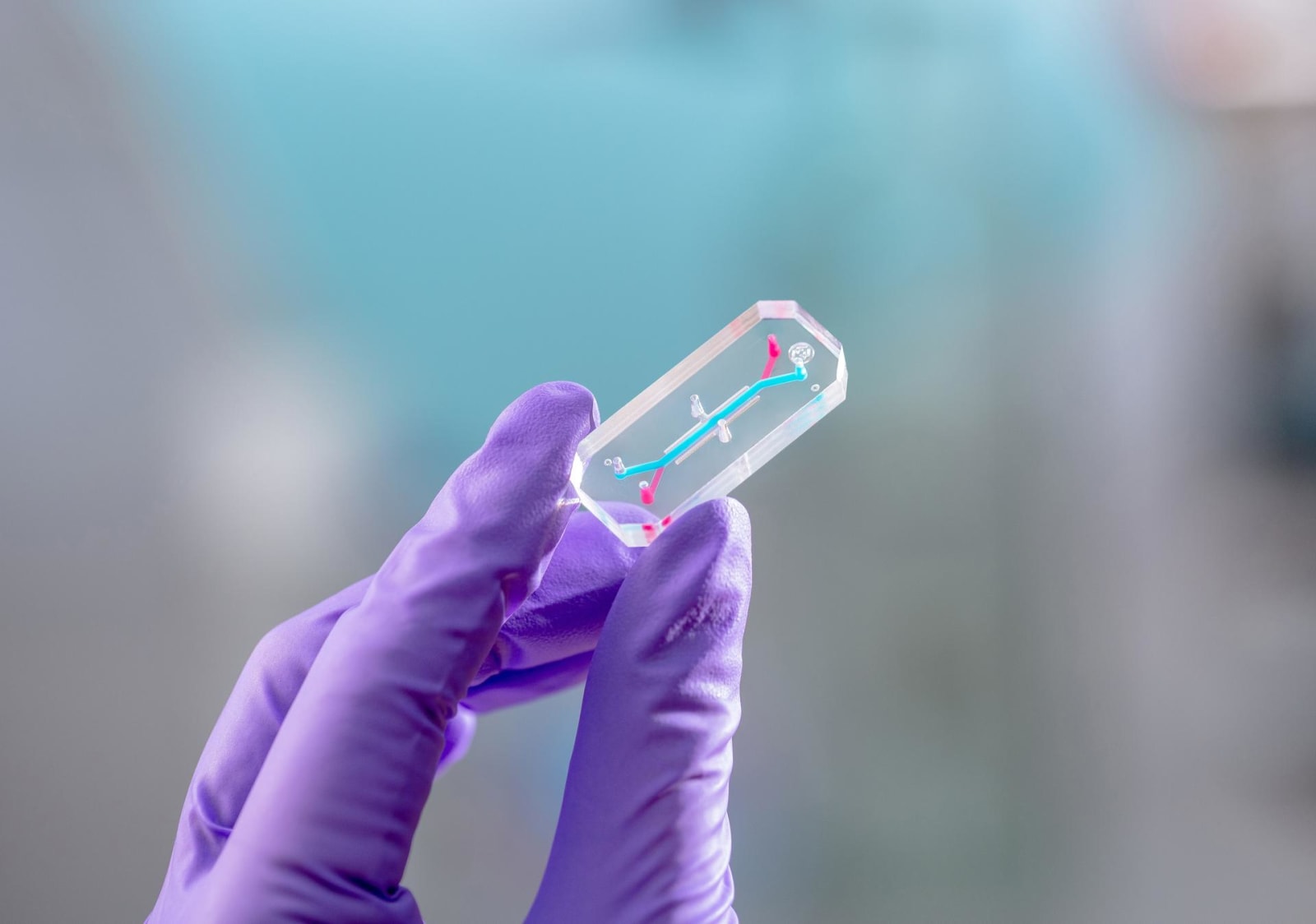
The NASA Space Biology Program within the Biological and Physical Sciences (BPS) Division investigates how living systems respond across the full spectrum of biological organization to advance understanding of how living systems respond to the unique stressors of space exploration—including microgravity, ionizing radiation, low magnetic fields, and elevated CO₂. As NASA prepares for long-duration deep space missions, the need to protect individual crew members with personalized, data-driven health strategies is becoming increasingly important.
The original AVATAR (A Virtual Astronaut Tissue Analog Response) investigation, which flew aboard the Artemis II mission, marks a significant milestone: organ-on-a-chip devices constructed from the cells of actual crew members returned from a 10-day lunar flyby on April 10, 2026. AVATAR is the first demonstration of an Artemis astronaut analog using an organ-on-a-chip model to generate personalized biological insights that can inform medical kits and countermeasures for future deep space missions.
Digital twins represent a key strategy for addressing these challenges. By developing individualized computational physiological models that can be iteratively refined with empirical data, these frameworks integrate environmental, physiological, and multi-omics inputs. This approach allows for the simulation and prediction of how a specific individual will respond to spaceflight stressors.
The BPS Digital AVATAR Challenge invites the scientific community to apply innovative computational digital twin technologies to accelerate biological discovery, biochemical and molecular modeling, and predictions of individual astronaut health outcomes. The digital twin will be a computational model of how the AVATAR bone marrow chip responds to spaceflight stressors.
The proposed digital twin frameworks must be capable of processing diverse multi-modal datasets and leverage established computational biology methods alongside modern digital twin architectures to create personalized, predictive models of astronaut physiology. These systems are expected to model each astronaut’s immune and bone marrow hematopoietic responses to spaceflight, integrating multi-modal data to generate tailored health predictions — including comparative analysis that distinguishes individual-specific effects from effects common across the crew. Proposals should also demonstrate a pathway to continuous model updating as new empirical data become available, reflecting the iterative nature of a true digital twin.
Registration Open Date: November 16, 2026
Submission Deadline: February 12, 2027
For more information including registration , rules, and eligibility, visit: https://work.crowdplat.com/challenge/bps-digital-twin-challenge
NASA explores the unknown in air and space, innovates for the benefit of humanity, and inspires the world through discovery.
Loading comments…